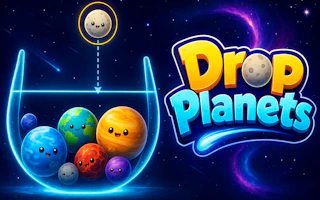
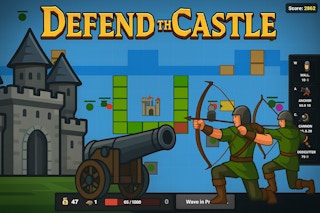
Start with familiar mechanics
If you already enjoy matching, racing, sports, or strategy games, begin with that family of mechanics. Familiarity reduces the learning curve.
Then try one nearby genre
Once you know what you like, experiment with a related category. Racing fans might try action driving; puzzle fans might try strategy or word games.
Read before playing
A short description can tell you whether the game is competitive, relaxing, fast, strategic, or progression-based. This prevents mismatched expectations.
Pay attention to controls
Control style can determine whether a game feels natural. A mouse-focused game may be excellent on desktop but less comfortable on a phone.
Judge the first session fairly
Not every game reveals its full appeal immediately, but basic quality should still be apparent. Responsive controls, understandable objectives, and reasonable loading are good signs.
Create a personal shortlist
Keep a small collection of favorites. A good game catalog becomes much more useful when you know which categories consistently match your preferences.